For gym owners who'd rather coach than program

Programming Shouldn't Cost You Your Sundays

Programming is how you stay connected to what your members need. It also eats three to five hours of every week on top of the 10-hour days you already work. Limberjack takes the accounting off your plate so you can keep the connection.

Athletes training together outdoors

Four Hours of Class. Four Hours for Everything Else.

Out of your workday, you coach four hours. That leaves four hours for cleaning, member conversations, emails, events, marketing, the website — before you've written a single workout for next week.

Good programming takes three to five hours a week. The only way that math works is if you give up even more of your life.

Sunday 5:00pm
Sunday 7:30pm
Sunday 9:45pm — still going

Love It or Hate It, the Time Has to Come From Somewhere.

Thoughtful programming — done without any tooling support — requires the scarcest resource you have. Three to five hours every week holding the whole picture in your head: what you hit last week, who needs what, where the gaps are, which movements are about to become a problem.

Some coaches love that work. Some dread it. Either way, the hours have to come from somewhere — and you've already spent today coaching, cleaning, answering emails, and running the gym.

When the scarce resource is your time, willpower isn't a strategy. It's just a slower way to burn out.

One Program. The Twice-a-Week Crowd and the Six-Day Lifers.

?

Did the twice-a-week members get enough variety?

?

Will the daily athletes break if you push again?

?

Is it obvious you keep reaching for the same five movements?

You're juggling movements, planes, fatigue, and stimulus for a mixed room. Push too hard and people start dropping. Play it safe and programming gets predictable. Members start to notice — and the good ones start looking around.

There's no way to see the whole picture while you're building it.

Didn't we squat three days this week?

My shoulders have been fried since Monday.

Do you even know what we did last week?

You don't have good answers because the whole week never lives in one place. They're starting to look for coaching that feels more intentional.

Because Your Members Aren't Who That Purchased Program Was Written For.

You could buy a programming subscription tomorrow — Mayhem, HWPO, take your pick. Plenty of gyms do. But a purchased program wasn't written for the shoulder that's been cranky for two weeks, or the Tuesday/Thursday members who never see the days in between, or the small group training for a local comp, or the 6am parents who are not the same population as Thursday noon.

Programming is how you meet your community where they actually are. When a member asks why today is upper body, the honest answer is about them — what they needed, what they hit, what's coming. Hand the programming off to a purchased program and that answer gets replaced with "it's what the subscription said today."

You don't want less programming. You want less of the accounting that keeps you from seeing your members clearly.

Athlete training with kettlebell in garage gym

Keep the Community. Lose the Accounting.

Monday morning you open the week's plan. It's already drafted — already balanced against what every member hit last week, which muscle groups need rest, which movements have been quietly rotting in the library. Your job isn't to rebuild from scratch. It's the twenty percent that actually belongs to you: the member with the cranky shoulder, the group training for a competition, the weather that just changed, the particular community in front of you on Monday morning.

"I used to spend Sundays dreading the whiteboard. Now I spend twenty minutes with coffee — and I actually see my members in the workout again."

The hours come back. The second-guessing goes away. And the programming keeps answering to the community you're actually coaching — because you're still the one making every call that matters to them.

Programming That Does the Balance Math For You

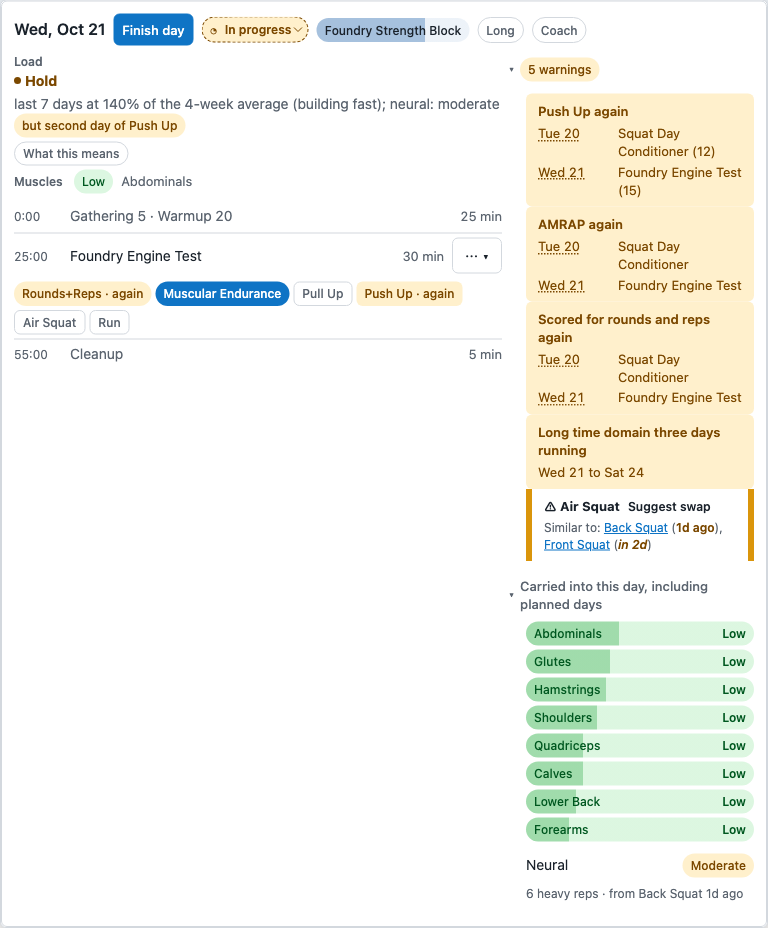
Limberjack tracks what every athlete has hit across days, weeks, and cycles so you don't have to hold it in your head. Real-time recovery, intensity, and energy-system views make the invisible visible while you build. You stay in charge of every decision — the tool just handles the memory.

Recovery Intelligence

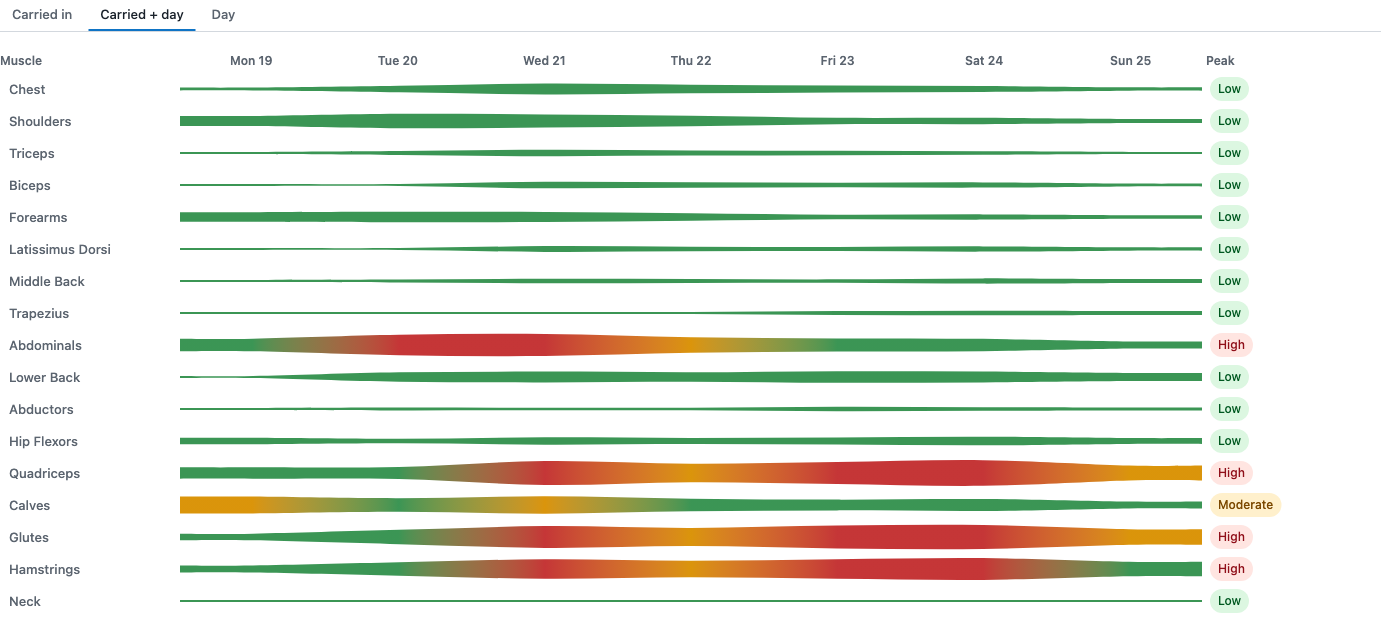
See which movements are fresh and which still need rest — across your twice-a-week members and your daily lifers at the same time. Adjust with confidence instead of guessing.

CSVJSONXLS

Months of History. Visible in Minutes.

Pull in everything you've already programmed from Wodify, Push Press, or spreadsheets. Patterns you couldn't see across a year of workouts suddenly become obvious.

80%60%40%

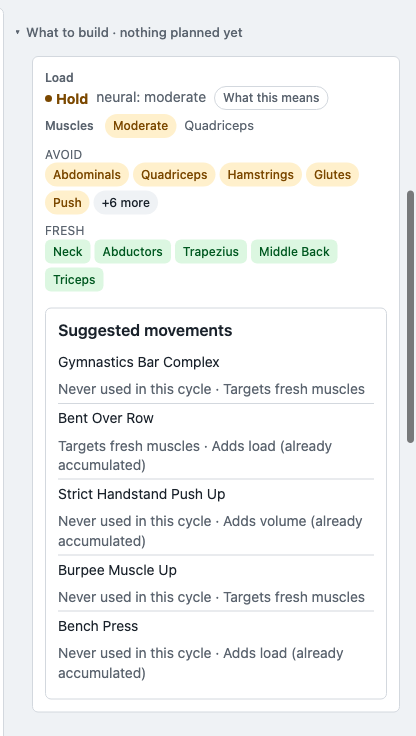
Catch Yourself Before You Repeat

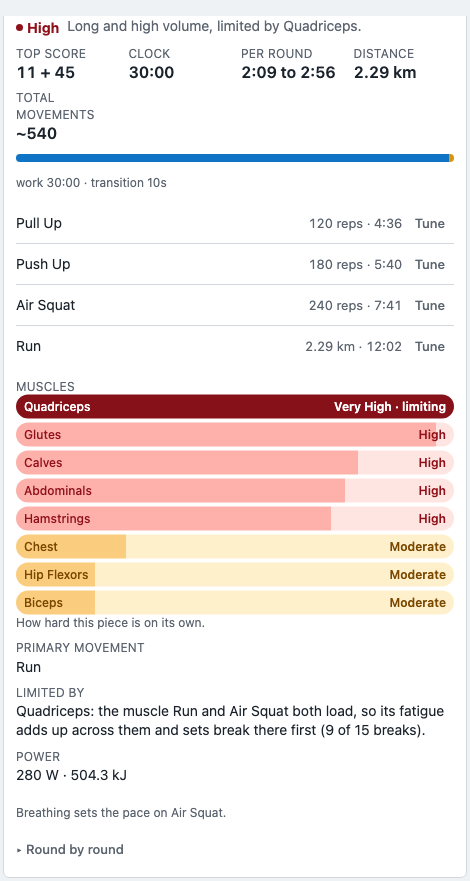
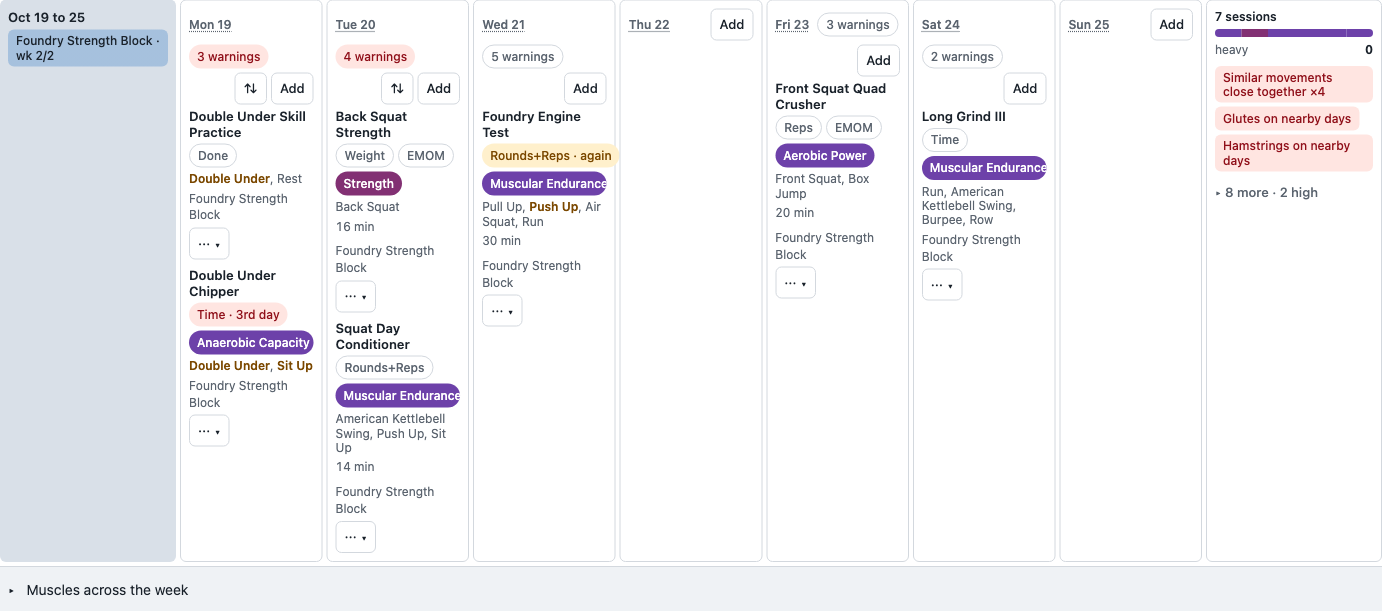
Every movement maps to 17 muscle groups with activation percentages. Limberjack quietly flags the week you reach for your favorite movements again — before a member has to tell you.

The Week on One Page

Movement exposure, intensity, and energy distribution across the whole week in one view. Spot the imbalance before a member feels it — not after.

Battle ropes workout in gym

Built by a Coach Who Wanted to Keep Seeing His Members.

Limberjack exists because programming the week was eating every Sunday night — and a purchased program meant the members at my gym started getting workouts written for somebody else's community.

No venture capital pressure. No bloated features chasing enterprise deals. Just a focused tool that gives you the hours back while your programming keeps answering to the people who are actually in front of you.

The Hours Come Back. Your Members Stay Seen.

I used to dread Sunday programming. Now I spend twenty minutes on the week instead of five hours — and my members keep telling me it feels like I'm paying more attention to them, not less.

— Beta User Testimonial

Members stay at gyms where the programming answers to who they are. Your reputation becomes the programming — not "intentional" in the abstract, but intentional about the actual community on your floor.

Retention improves. Referrals increase. You sleep on Saturday night because next week's workouts aren't still rattling around in your head.

Get Your Sundays Back. Keep Your Community.

Join coaches who've traded the Sunday-night programming grind for the twenty-minute tweak — without handing their community over to a program written for somebody else's gym.